
Hosting Your First Thanksgiving? What to Borrow, Buy, and Skip
Host your first Thanksgiving with a manageable menu, useful equipment, borrowed extras, food-safety planning, and fewer unnecessary purchases.
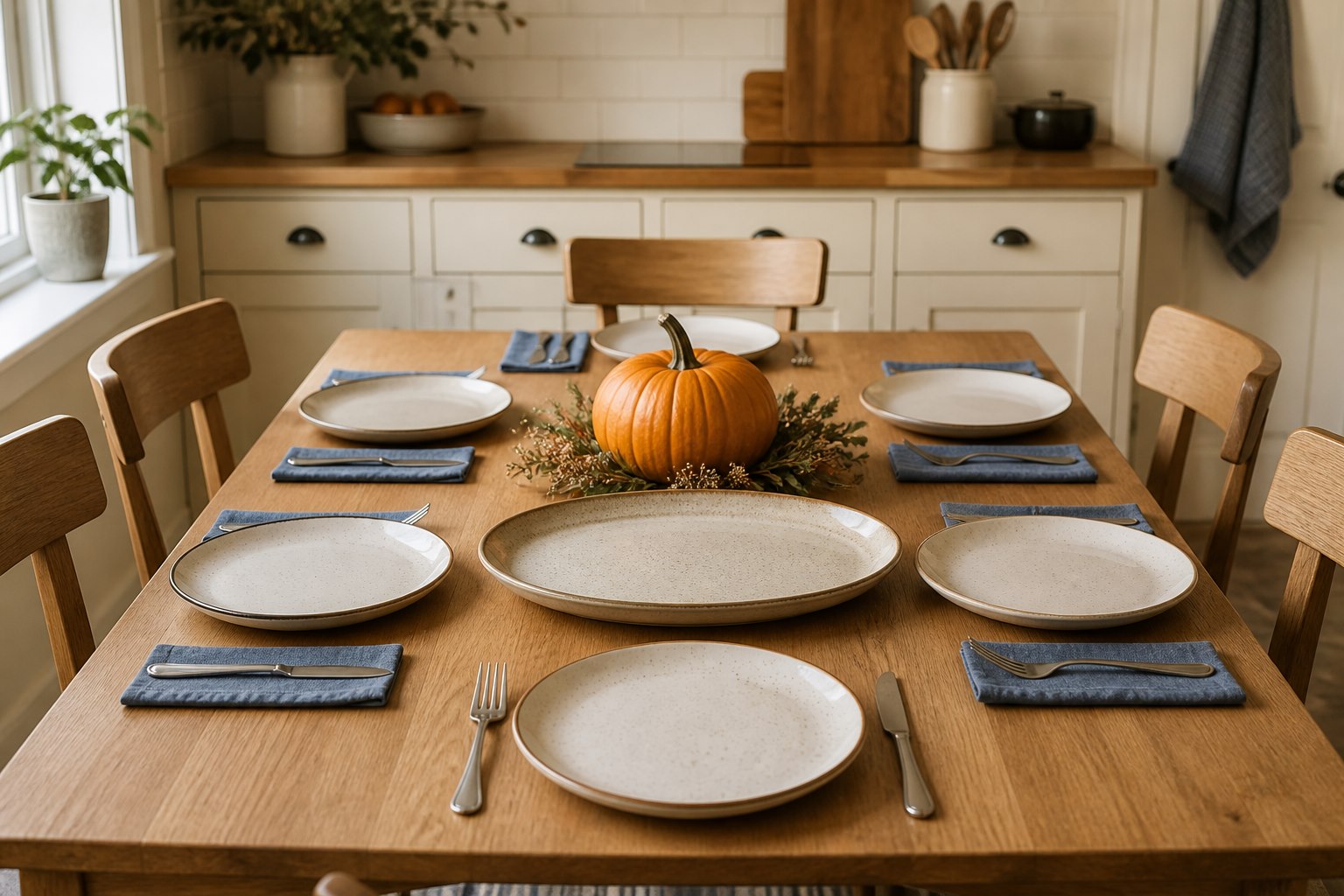
For a first Thanksgiving, buy the things you will use beyond one meal, borrow the bulky pieces you need temporarily, and skip anything that adds presentation without solving a real problem. You do not need a matching collection of serving dishes to make people feel welcome.
Begin with a confirmed guest count and a manageable menu. The equipment list should follow the food you actually intend to serve. Starting with seasonal shopping displays makes it easy to purchase a table’s worth of accessories before discovering that your real constraint is refrigerator space.
Start with the menu and the kitchen
Choose a main dish, a few sides, and a dessert plan that fit your time and equipment. Ask guests about dietary requirements before finalizing recipes. If people offer to bring food, assign specific dishes and discuss whether they arrive ready to serve or need oven space.
Write down each dish’s cooking temperature, approximate preparation time, and serving needs. Look for conflicts: several dishes requiring the oven at different temperatures, or a refrigerator already full before the turkey arrives.
Measure the roasting pan and your oven before buying a large bird or borrowing equipment. Check that the pan fits with safe room to handle it. Also identify where hot dishes will land when they leave the oven. A clear, protected surface is more useful than an elaborate centerpiece occupying the only available space.
Buy the basic tools you will keep using
A reliable food thermometer is a practical purchase if you do not own one. Add only the utensils your menu requires, such as a usable cutting board, a sharp knife you can handle comfortably, heat-resistant mitts, and enough everyday serving spoons.
Containers for leftovers are useful beyond the holiday. Check what you already have before buying more, and choose sizes that fit the refrigerator. A stack of huge containers can be less helpful than several smaller ones when cooling and storing different dishes.
Buy enough food for the agreed meal and the leftovers you genuinely want. Do not let “just in case” expand every category at once. If you want more certainty, simplify the menu rather than adding another main dish, three extra sides, and a second dessert that nobody requested.
Borrow the large or occasional-use items
Extra chairs, a folding table, a large platter, and a roasting pan are reasonable borrowing candidates when you need them once. Ask early, confirm the dimensions, and make a note of what belongs to whom.
Inspect borrowed equipment before the day. Check that handles are secure, the item is suitable for its intended heat source, and you understand any care requirements. Do not assume a decorative dish is oven-safe or that a borrowed appliance works exactly like one you previously used.
Arrange pickup and return times that do not crowd the hosting day. If borrowing a pan requires a long trip or awkward coordination, purchasing a modest reusable one may be simpler. The goal is to reduce unnecessary purchases, not to turn every object into a complicated favor.
Use the dishes and linens you already own
Mixing ordinary plates and glasses is fine if everyone has what they need. Check quantities before setting the table, and decide whether you want one seating arrangement or a buffet with a clear place for each guest to eat.
Use existing napkins and a washable table covering if available. Add a small decoration only after you have space for food, water, and conversation. Avoid arrangements that block sightlines or require moving several objects every time someone passes a dish.
If you need extra dishes, compare borrowing with an inexpensive durable option you can store. Disposable items can reduce some cleanup, but still add a purchase and waste. Make the choice around your space and practical needs rather than an expectation that the table must look a particular way.
Plan thawing and temperature checks early
Food safety belongs in the schedule, not as a last-minute search. For a frozen turkey, follow current USDA thawing guidance; refrigerator thawing takes several days for a larger bird. Keep raw poultry contained so it cannot drip onto other foods.
Use a thermometer rather than appearance to judge doneness. The USDA’s turkey guidance gives a minimum internal temperature of 165°F, checked in the thickest breast area and the innermost thigh and wing. Follow a tested recipe and the agency’s handling instructions for your preparation method.
Keep those instructions accessible while cooking. A timer helps track tasks, but it does not measure food temperature. If juggling alerts is a concern, our kitchen timer versus phone timer comparison can help you choose a setup you will actually notice.
Give leftovers a destination
Clear refrigerator space before guests arrive. Have containers ready and decide what you will keep, send home, or freeze. Guests taking perishable food on a longer journey need an appropriate plan for keeping it cold.
The USDA’s leftovers guidance advises refrigerating perishable food within two hours, or one hour when temperatures exceed 90°F, and using shallow containers for cooling. Follow its storage and reheating guidance rather than leaving the buffet out through the evening.
Label containers with the contents and date. Smaller portions can be easier to use or freeze than one large mixed container. Offer leftovers that people want, rather than treating every departing guest as a way to clear the refrigerator.
Skip purchases that create more work
You can usually skip themed gadgets, a full matching serving set, elaborate place cards, and specialty equipment for a recipe you have never tried. A dish that requires an unfamiliar tool and several new techniques may belong on another weekend’s menu.
Make a short final list: what you own, what is confirmed to be borrowed, and what remains necessary to buy. Assign one or two specific tasks to willing guests, such as bringing ice or helping clear plates. A manageable meal and a host who can sit down are stronger foundations than a perfect-looking table.