
7 Things to Check Before Buying a Sunrise Alarm Clock
Check light settings, controls, subscriptions, backup behavior, and returns before choosing a sunrise alarm clock for your bedroom.
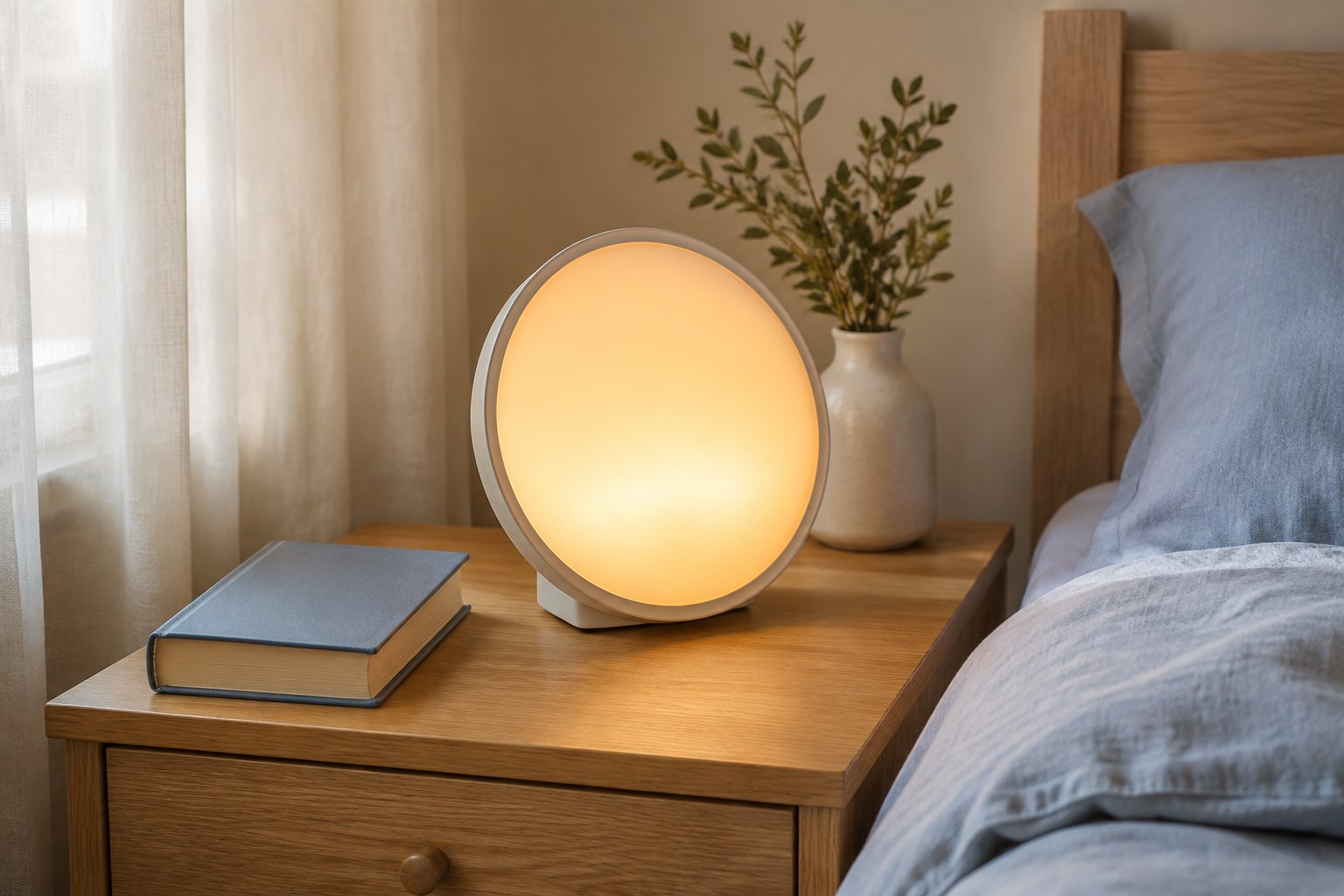
A sunrise alarm clock is worth considering if you want light to increase gradually before an audible alarm. Before buying, check the light settings, everyday controls, and what happens without power or an internet connection. The experience depends on your room and routine, so a workable return policy matters as much as a convincing demonstration.
Start with a modest goal: making your preferred wake-up time less abrupt. A product description can't tell you how you will respond to the light, and a new alarm doesn't remove the need for enough sleep. These checks compare buying considerations, not tested winners or treatments for a sleep disorder.
The seven checks at a glance
- Can you adjust the sunrise length and final brightness?
- Does the light suit your bedroom and sleeping position?
- Can you use the controls comfortably every day?
- Will the sound and schedule work for your household?
- What depends on an app, account, or membership?
- What still works during an outage or disconnection?
- Can you try it at home and return it if it doesn't suit you?
Save the exact model number while comparing. Similar-looking clocks, and different generations of the same product, can have different controls and requirements.
1. Check what “adjustable sunrise” actually means
Two settings deserve separate attention: how long the light takes to brighten and how bright it becomes. A clock may offer several sunrise durations but limited control over its final intensity. Another may provide a broad brightness range with a fixed ramp-up period.
Read the manual to establish when the light begins relative to the alarm time. If you set a wake-up time of 7 a.m., does the sunrise finish then, or does a separate setting control the sound? Make sure the controls match the routine you expect.
For a practical comparison, write down your preferred starting point and what you would change if the light felt too early or too strong. The manufacturer's settings determine whether you can make those adjustments. A long feature list is less useful than being able to change the one part that bothers you.
2. Consider the room where you'll use it
A bright product photograph doesn't establish the light reaching your sleeping position. Bedside distance, the direction the lamp faces, and obstacles such as a tall headboard affect the arrangement. A sleep mask also changes what a light-based alarm can do for you.
Measure the available bedside space and check the power cable's reach. Leave room for the ordinary objects you already use there. If the clock has to sit behind a book stack to fit, the proposed position may be working against the light.
Look for a demonstration of the display at night as well as the sunrise effect. Can the clock digits dim sufficiently for your preference? Can they turn off while the alarm remains active? If someone shares the bedroom, discuss the early light with them. Your ideal wake-up routine shouldn't be a surprise imposed on another sleeper.
3. Read the controls before reading the lifestyle claims
Find the instructions for changing tomorrow's alarm, skipping one morning, and stopping the sound. Those are the operations you'll use half-awake. A product can be simple to set up once and still frustrating to adjust on an irregular work schedule.
Physical controls may help you keep a phone out of reach, while an app can make detailed scheduling easier. Neither arrangement is automatically better. Think about whether you prefer feeling for a button or opening a screen to change settings.
Check the distinction between snoozing and turning the alarm off. For example, Lumie's Bodyclock Glow 150 support page includes guidance for its tap-snooze behavior. That kind of model-specific detail is more useful than assuming every sunrise clock responds to the same gesture. Keep the manual available during the first week.
4. Compare the sound and weekly schedule
You may enjoy a gentle light transition and still need an audible alarm at a definite time. Confirm that sound can accompany the sunrise, then check the volume range and how you select it. Listen to samples if the manufacturer provides them, while remembering that your room and the speaker affect the result.
Look at scheduling carefully. Can weekdays differ from weekends? Can two people maintain separate alarms? Are changes made on the clock, in an app, or both? If you work changing shifts, verify how quickly you can set a one-off alarm without disturbing the usual schedule.
Keep an existing, dependable alarm available while you learn how the new clock behaves. Don't make an important early departure the first test. A calm morning with room to adjust settings will tell you more than rushing through unfamiliar controls before a flight.
5. Separate the device from its subscription
Some clocks offer a core alarm alongside paid audio libraries or other membership features. Establish what your purchase includes on the exact model, and distinguish basic operation from optional content.
Hatch's membership guidance explains that many Restore devices offer functions without Hatch+, including sunrise alarm and light options. Use the current model's support information to check the details rather than assuming either that everything requires payment or that every advertised feature is included forever.
Ask four separate questions: Is an account required? Is a phone required for setup? Does routine use need Wi-Fi? Which features stop when a trial ends? Add any membership you actually want to your first-year budget. If the only feature you need is gradual light and a simple alarm, a model with fewer connected features may fit better.
6. Distinguish saved settings from backup operation
“Battery backup” can describe different things. A device may remember the time and alarm settings after power is interrupted without being able to run its lamp or speaker during the interruption. Don't infer continued operation from that phrase alone.
Check the manual's power-failure section and ask the manufacturer if it doesn't answer your question. Also look for what happens after power returns: does the clock need resetting, and does the next alarm remain active?
For connected devices, read the information about internet loss separately from electrical power loss. An alarm may have different dependencies from streaming audio or remote controls. You don't need to test every failure scenario, but you should understand the one that matters most in your home. If an alarm must work for a critical appointment, arrange a suitable backup you already know how to use.
7. Check the return conditions and your expectations
This is an item whose fit is difficult to settle on a screen. Read the seller's return window, whether opened products are eligible, any return shipping charge, and what packaging you need to keep. Save those details with the receipt.
During a permitted home trial, change one setting at a time and note the result. You might discover that you prefer a shorter light transition, a dimmer end point, or simply a different sound. Judge whether using the clock feels worthwhile over ordinary mornings, rather than expecting a dramatic change after one night.
Keep medical claims separate from shopping preferences. Sunrise clocks shouldn't automatically be treated as substitutes for light therapy prescribed for seasonal affective disorder. The National Institute of Mental Health describes SAD treatments and considerations, including circumstances where light therapy needs professional guidance. Persistent sleep problems or significant mood changes deserve appropriate clinical advice rather than a product purchase alone.
A sensible reason to buy one
Choose a sunrise alarm clock when you like the idea of a gradual light cue, can place it sensibly, and are comfortable with its controls and running costs. Keep your current alarm if it already works and the new device would mainly add complexity.
Before checkout, finish this sentence: “I'm buying this model because it lets me change ___, works with ___, and I can return it if ___.” Specific answers will serve you better than a promise of a perfect morning.