
A $50 Local Day Out for Two: How to Build Your Own Plan
Build a realistic $50 day out for two with one main activity, a clear food and travel budget, a spending buffer, and a simple weather backup.
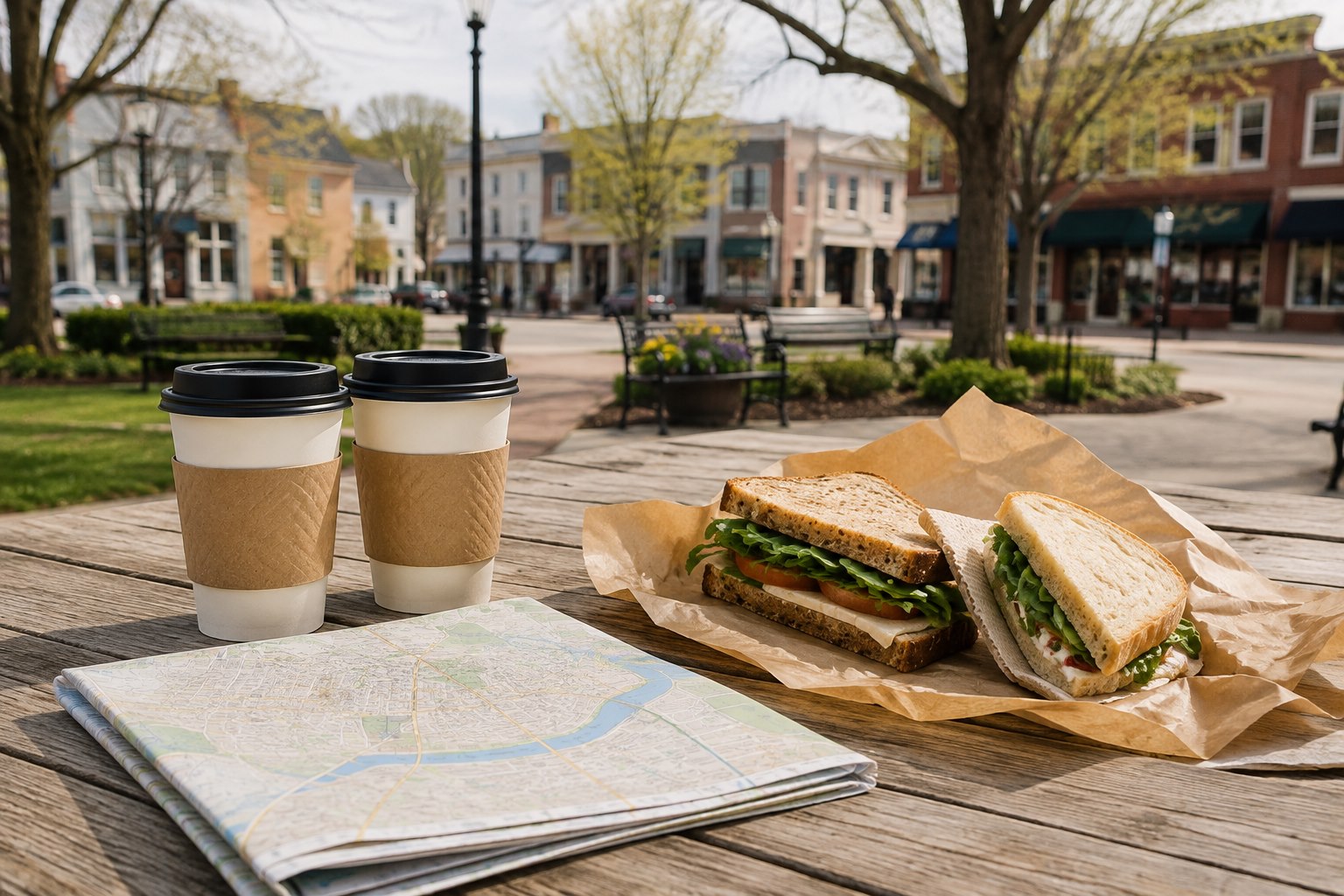
A $50 day out for two works best when you choose one main activity, keep transportation simple, and decide where food fits before leaving. Trying to squeeze a full restaurant meal, paid attraction, parking, and several small purchases into the same budget usually creates more compromises than fun.
Think of $50 as the total you agree to spend together, not $50 each. This guide uses an illustrative budget you can adapt to local prices. It is not a promise that a particular attraction or restaurant costs a certain amount, and it does not require buying anything through a recommended business.
Decide what the $50 includes
Set the boundary first. Are you counting transit tickets, parking, fuel, restaurant tax and tips, snacks, and tickets? If you exclude a cost because you already paid it, say so explicitly. Otherwise, you can finish the day feeling under budget while overlooking a substantial expense.
For a straightforward plan, include the money you expect to spend because of the outing. If you use a transit pass you already own, mark the additional fare as zero. If driving, account for expected parking and a reasonable fuel allowance. The exact method matters less than both people using the same one.
Keep the budget separate from existing bills or household groceries. A packed lunch can be a sensible choice, but food from your kitchen still has a cost. You can count the ingredients you use or simply describe your plan as “$50 in additional spending, with lunch from home.”
Choose the main reason to go
Pick one anchor activity that both people would enjoy even if the rest of the day stayed simple. It could be a neighborhood walk, a small museum, a waterfront trail, a public garden, or browsing a farmers market without committing to a large shopping trip.
Then verify that it is open, accessible to your group, and realistically enjoyable in the forecast weather. Check the official website for admission, reservations, parking, and any closure notices. A venue’s free outdoor area does not necessarily mean every exhibit or activity is included.
If your first choice consumes most of the budget, make that deliberate. A $36 activity can fit if transportation is inexpensive and you bring lunch. It fits less comfortably if you also expect a sit-down meal. Choose the experience you want to prioritize, rather than spreading the money thinly across everything.
Use a budget with breathing room
Here is one illustrative allocation, not a list of local price quotes:
- Main activity for two: $12.
- Lunch or substantial picnic ingredients: $18.
- Transportation and parking: $8.
- Shared coffee or snack: $6.
- Uncommitted buffer: $6.
The total is $50. You can move money between categories, but the buffer should survive the first draft. It covers a small price difference or an overlooked charge without turning the afternoon into a negotiation.
If the activity is free, do not assume you must spend the saved $12 elsewhere. You can improve lunch, choose a more convenient route, or simply finish below budget. Spending the maximum is not a condition of a successful outing.
Price the parts you can actually verify
Check admission on the attraction’s official booking page and look at the final checkout amount before purchasing. For food, use a current menu and add applicable taxes, service charges, and any tip you plan to leave. A headline menu price is not always the amount on the receipt.
For parking, distinguish an hourly rate from a daily maximum. For transit, check whether the fare covers a transfer and whether both travelers need separate tickets or payment cards. A cheap destination can become less appealing if reaching it requires a complicated series of paid connections.
Avoid building the plan around an unverified coupon. If a discount requires membership, a particular payment method, or an advance reservation, confirm that you qualify. If it fails, either the regular price must fit or you need a different activity.
Keep the route compact
Choose the activity and meal in the same area when possible. Every extra cross-town stop creates another opportunity for parking charges, fuel use, traffic, and impulse spending.
Map the route before committing to tickets. Look at walking distance, accessibility, transit frequency, and where you can comfortably take a break. A route that looks close on a map might include a steep hill, an awkward crossing, or a long wait between buses.
Build in time to sit and enjoy the place. Our guide to a local day out without overbooking uses the same principle: keep the main plan short enough that ordinary delays do not spoil it.
Agree on the small purchases
Small extras often create the gap between a $50 plan and a $75 receipt. Decide whether souvenirs, market purchases, a second drink, and optional upgrades come from the shared budget or each person’s own money.
This does not require tracking every minute of the day. A simple agreement works: “The shared budget covers the activity, lunch, travel, and one snack. Anything else is optional and separate.” It prevents one person’s spontaneous purchase from silently reducing the other person’s meal budget.
If you enjoy browsing shops, give yourselves a modest spending cap before entering. Browsing can remain the activity; buying something is not an admission fee.
Have a weather alternative with a real cost
A free outdoor plan needs an indoor alternative if the forecast is uncertain. Pick that alternative in advance and check its admission. Otherwise, rain can send you into the first available paid attraction regardless of price.
You can also shorten the outing, change the date, or spend part of it somewhere covered. The backup does not need to reproduce every part of the original plan. It needs to offer an enjoyable option within the same spending boundary.
Before leaving, confirm reservations and total the known costs once more. Keep the buffer available, choose one thing you are looking forward to, and leave the rest of the afternoon flexible. That is enough structure to protect the budget while still letting the day feel like time off.